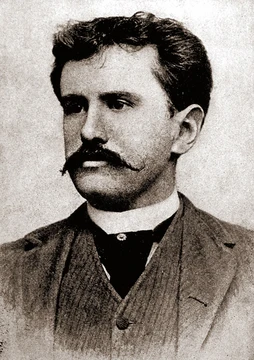
Yi Cheong-jun
South Korean novelist of the 4.19 Generation.

Yi Cheong-jun was a prominent South Korean novelist who wrote more than 100 short stories and 13 novels over a four-decade career. Born on August 9, 1939 in Jangheung County, Zenranan-dō, Korea, Empire of Japan, he graduated with a degree in German literature from Seoul National University. He debuted in 1965 with the short story *Toewon* (Leaving the Hospital) and won the Dongin Literature Award in 1967 for *The Wounded*. He died from lung cancer at age 68 on July 31, 2008. Considered one of the foremost writers of the 4.19 Generation, his fiction encompasses political, existential, and metaphysical concerns, with recurrent themes including language as a vehicle of truth and the role of art in life.
- born
- 9 August 1939
- died
- 31 July 2008
- field
- Novelist, short story writer
- nationality
- South Korean
- known_for
- Works such as The Wounded, This Paradise of Yours, Seopyeonje; themes of languag
Verified Timeline
Lore & Background
Yi Cheong-jun was born on August 9, 1939 in Jangheung County, Zenranan-dō, Korea, Empire of Japan. He graduated with a degree in German literature from Seoul National University. He debuted in 1965 with the short story *Toewon* (Leaving the Hospital) and won the Dongin Literature Award in 1967 for *The Wounded*. He died from lung cancer at age 68 on July 31, 2008. His fiction encompasses a broad range of political, existential, and metaphysical concerns. *The Wounded* (1966) probes the spiritual malaise of post-war Korean youth; *This Paradise of Yours* (1976) explores the dialectics of charity and will to power, set on the leper colony of Sorokdo Island; and *The Fire Worshipers* (1985) meditates on human rituals in a Godless society. A recurrent theme is language as a vehicle of truth. *The Walls of Rumor* (1972) describes how freedom of speech was repressed in the ideologically charged atmosphere of Korean society during national division. Stories in the collection *In Search of Lost Words* (1981) continue investigating the effect of political violence on language. Another favorite theme is the role of art in life. Early stories like *The Falconer* and *The Target* feature artisans dedicated to the perfection of their craft, often at the cost of conventional happiness. Later, Yi drew on traditional folk art, notably in *Seopyeonje* (1993), which foregrounds the genre of pansori, a traditional Korean oral performance featuring a singer of tales accompanied by a single drummer. Made into a blockbuster feature film, *Seopyeonje* helped revive great popular interest in the art of pansori.
Reader's Guide
Yi Cheong-jun is significant as a leading figure of the 4.19 Generation in South Korean literature, with a steady and voluminous output over four decades. His work consistently probes the intersections of language, political repression, and individual psychology, as seen in *The Walls of Rumor* and *In Search of Lost Words*. He also explored the redemptive and transcendent power of art, most famously in *Seopyeonje*, which helped revive interest in traditional pansori performance. Several of his works were adapted into major films: *Iodo* directed by Kim Ki-young (1977); *Seopyeonje* directed by Im Kwon-taek (1993); *Beyond the Years* directed by Im Kwon-taek (2007), based on *The Wanderer of Seonghak-dong*; and *Secret Sunshine* directed by Lee Chang-dong (2007), using the plot from the novella *The Abject*. Critic Kim Byeong-ik noted that Yi opened a new pace of Korean literature before true modern literature was established in the 1960s. His awards include the Dong-in Literary Award (1967), Yi Sang Literary Award (1978), Korean Literature Prize (1985), Isan Literature Prize (1990), Inchon Award (2003), and Ho-Am Prize in the Arts (2007).
Did You Know?
- Yi Cheong-jun debuted in 1965 with a short story titled *Toewon* (Leaving the Hospital).
- He won the Dongin Literature Award in 1967 for *The Wounded*.
- His novel *Seopyeonje* (1993) was made into a blockbuster feature film that helped revive popular interest in pansori.
- He died from lung cancer at age 68 on July 31, 2008.
- Critic Kim Byeong-ik said Yi opened a new pace of Korean literature before true modern literature was established in the 1960s.
More in Literature And Writers 1-24
Spotted an error? Know more?
This is a living reference — every entry is fact-audited, and reader corrections feed straight into our audit queue. Suggest an edit · See this site's audit record