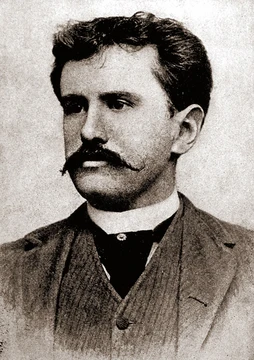
Takeshi Hirayama
Japanese epidemiologist who linked secondhand smoke to lung cancer.

His research also examined dietary factors and cancer risk.
- field
- Cancer epidemiology
- nationality
- Japanese
Lore & Background
When he was three, his father became professor of surgery at Manchuria Medical College, and the family moved to Harbin, China.
Reader's Guide
It has been described as one of the most frequently cited studies in regulatory proceedings and media regarding secondhand smoke, and as the first such study linking passive smoking to lung cancer in nonsmokers, though two other studies with similar findings appeared around the same time. The tobacco industry attempted to discredit his work by producing a fraudulent 'Japanese spousal study' and by having the Tobacco Institute write a letter criticizing the study to his superior, despite knowing Hirayama's work was correct. He also studied green and yellow vegetable consumption linked to decreased cancer risk, and published studies linking meat, eggs, butter, and cheese to increased breast cancer risk.
Did You Know?
- The tobacco industry produced a fraudulent 'Japanese spousal study' to try to refute Hirayama's findings.
Frequently Asked Questions
What is Takeshi Hirayama most famous for?
He is credited with publishing the first research study that established a link between passive (secondhand) smoking and lung cancer. This finding became a cornerstone of global anti-tobacco advocacy.
Did Takeshi Hirayama research anything beyond smoking?
Yes, his work also investigated how dietary habits influence cancer risk. His anti-tobacco activism further extended his scientific findings into public-health advocacy.
More in Literature And Writers 1-24
Spotted an error? Know more?
This is a living reference — every entry is fact-audited, and reader corrections feed straight into our audit queue. Suggest an edit · See this site's audit record