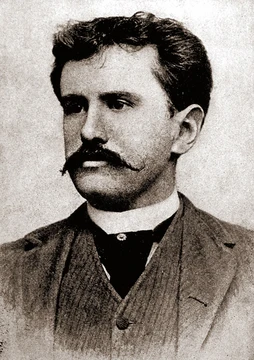
Tachibana Shūta
Imperial Japanese Army soldier who died in 1904.

Tachibana Shūta was a soldier of the Imperial Japanese Army who died on August 31, 1904, during the Russo-Japanese War. Born in 1865, his life ended in the thirty-seventh year of the Meiji period, a year marked by intense military conflict between Japan and Russia. His death occurred in the midst of a war that began with the Battle of Port Arthur in February and included major engagements such as the Battle of Liaoyang, which was fought from August 24 to September 4. Tachibana's identity as a soldier places him within the broader narrative of Japan's military development during the Meiji era, though the specific circumstances of his service and death are not detailed in the available records.
- born
- 1865
- died
- 31 August 1904
- field
- Military
- nationality
- Japanese
Verified Timeline
Lore & Background
Tachibana Shūta was born in 1865 and died on August 31, 1904. His death occurred during the Russo-Japanese War, a conflict that began on February 8–9, 1904, with a surprise Japanese naval attack on Port Arthur. The war saw a series of battles throughout the year, including the Battle of Liaoyang from August 24 to September 4, which overlapped with Tachibana's death. As a soldier, he served in the Imperial Japanese Army, but the source provides no further details about his rank, unit, or specific actions. His name appears in the list of deaths for 1904 alongside figures such as Konoe Atsumaro, a politician and journalist; Ii Naonori, a former daimyō; Utagawa Yoshiiku, an artist; Takeo Hirose, a navy career officer; Kawamura Sumiyoshi, an admiral; and Koizumi Yakumo, a writer. Tachibana is simply identified as a soldier, born in 1865, and his death on August 31 places him in the latter half of a year defined by war.
Reader's Guide
Tachibana Shūta's significance is tied to his death in 1904, the same year as the Russo-Japanese War. The war began with the Battle of Port Arthur on February 8–9 and included the Battle of Chemulpo Bay on February 9, the Battle of Yalu River from April 30 to May 1, the Battle of Nanshan on May 25–26, the Battle of Te-li-Ssu on June 14–15, the Battle of Motien Pass on July 10, the Battle of Tashihchiao on July 24–25, the Battle of Hsimucheng on July 31, the Battle of the Yellow Sea on August 10, the Battle off Ulsan on August 14, the Battle of Korsakov on August 20, the Battle of Liaoyang from August 24 to September 4, and the Battle of Shaho from October 5 to 17. Tachibana died on August 31, during the Battle of Liaoyang, though the source does not confirm his involvement in that specific engagement. His death is recorded in the list of notable deaths for the year, which includes a range of individuals from different fields. The source does not mention any posthumous honors, promotions, or deification, so those details cannot be included.
Did You Know?
- Tachibana Shūta was born in 1865 and died on August 31, 1904.
- His death occurred during the Russo-Japanese War, which began on February 8–9, 1904, with the Battle of Port Arthur.
- The Battle of Liaoyang, fought from August 24 to September 4, 1904, overlapped with Tachibana's death on August 31.
- Tachibana is listed among the deaths of 1904 alongside figures such as writer Koizumi Yakumo and admiral Kawamura Sumiyoshi.
- The year 1904 corresponded to Meiji 37 in the Japanese calendar, with Emperor Meiji as the reigning emperor.
A Soldier Born into the Meiji Transformation
Tachibana Shūta was born in 1865, during the early years of the Meiji period, which began in 1868. The Meiji era was a time of rapid transformation for Japan, as the nation moved from a feudal system to a centralized imperial state. By the time of his death in 1904, Japan had undergone significant modernization, including the development of its military. Tachibana's identity as a soldier places him within this context, though the source provides no specific details about his early life, education, or career. His birth year of 1865 is the only information available about his origins, and it situates him as a child during the initial consolidation of imperial authority.
Death in the Year of the Russo-Japanese War
Tachibana Shūta died on August 31, 1904, a date that falls within the first year of the Russo-Japanese War. The conflict had begun on February 8–9, 1904, with a surprise Japanese naval attack on Port Arthur in Manchuria. In the months that followed, a series of battles took place: the Battle of Chemulpo Bay on February 9, the Battle of Yalu River from April 30 to May 1, the Battle of Nanshan on May 25–26, the Battle of Te-li-Ssu on June 14–15, the Battle of Motien Pass on July 10, the Battle of Tashihchiao on July 24–25, the Battle of Hsimucheng on July 31, the Battle of the Yellow Sea on August 10, the Battle off Ulsan on August 14, the Battle of Korsakov on August 20, the Battle of Liaoyang from August 24 to September 4, and the Battle of Shaho from October 5 to 17. Tachibana's death on August 31 places him during the Battle of Liaoyang, though the source does not confirm his participation in that battle. His death occurred in the midst of a major military campaign that defined the year 1904 for Japan.
The Political World of Meiji 37
The year 1904 corresponded to Meiji 37 in the Japanese calendar. Emperor Meiji was the reigning emperor, and Prime Minister Katsura Tarō led the government. The administrative structure included governors for each prefecture, many of whom changed during the year. For example, Aichi Prefecture was governed by Masaaki Nomura, while Akita Prefecture saw Ichiro Tsubaki followed by Oka Kishichiro Itami. Other prefectures had multiple governors, such as Aomori Prefecture, which had Ichiji Yamanouchi, then Katsutaro Inuzuka, then Shotaro Nishizawa. Tokyo was governed by Baron Sangay Takatomi, and Kyoto Prefecture by Baron Shoichi Omori. Tachibana Shūta, as a soldier, existed within this political and military apparatus. His death in August 1904 occurred under the same leadership that was directing the war effort, and his name appears in the historical record alongside the names of those who governed the prefectures during that turbulent year.
Among the Departed of 1904
In 1904, Tachibana Shūta's death was recorded alongside a varied group of individuals. The list of deaths for the year includes Konoe Atsumaro, a politician and journalist who died on January 1; Ii Naonori, a former daimyō and son of Ii Naosuke, who died on January 9; Utagawa Yoshiiku, an artist, who died on February 6; Takeo Hirose, a navy career officer, who died on March 27; Kawamura Sumiyoshi, an admiral, who died on August 12; Tachibana Shūta, a soldier, who died on August 31; and Koizumi Yakumo, a writer, who died on September 26. Tachibana's entry identifies him simply as a soldier born in 1865, with his death on August 31. This list connects his individual story to the broader tapestry of lives that ended in the thirty-seventh year of the Meiji era, though no further details about his life or death are provided in the source.
Frequently Asked Questions
Who is Tachibana Shūta?
Tachibana Shūta was a Japanese soldier who served in the Imperial Japanese Army during the Meiji era. He is remembered as one of the rank-and-file troops who fought in the Russo-Japanese War.
When was Tachibana Shūta born?
He was born in 1865, meaning his formative years fell within the Meiji period of rapid Japanese modernization and military buildup.
What war did Tachibana Shūta die in?
He died during the Russo-Japanese War, which had opened with the Battle of Port Arthur in early 1904 and was still in full swing by the time of his death in late August.
What was Tachibana Shūta's role or field?
His field was military service; he served as a soldier in the Imperial Japanese Army, representing the common enlisted men who formed the backbone of Japan's wartime forces.
How does Tachibana Shūta's story end?
His life ended on August 31, 1904, in the thirty-seventh year of the Meiji period, amid the ongoing hostilities between Japan and Russia. Beyond the date and wartime context, detailed accounts of his final moments are not widely preserved.
More in Literature And Writers 1-24
Spotted an error? Know more?
This is a living reference — every entry is fact-audited, and reader corrections feed straight into our audit queue. Suggest an edit · See this site's audit record