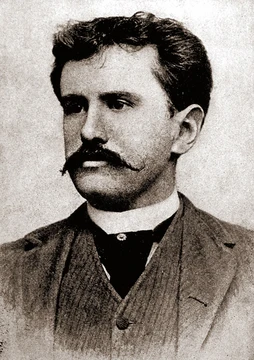
Wang Shifu
Yuan dynasty playwright of Romance of the Western Chamber.

Wang Shifu (1250-1337?), courtesy name Wang Dexin, was a Chinese dramatist and playwright of the Yuan dynasty. He is a representative of the “Wencaipai” (Literal talent group) in Chinese opera literature. Born in Dadu (present-day Beijing), the capital of the Yuan dynasty, with his ancestral home in Hebei province, Baoding city, he came from a noble family—his father was a general who worked for Genghis Khan. Wang began his career as a county official, later promoted to investigating censor of Shanxi Province, but eventually left officialdom to devote himself to literature. Of the 14 plays attributed to him, only three are extant: *Romance of the Western Chamber*, *Li Chun Hall*, and *Po Yao Ji*.
- born
- 1250
- died
- 1337?
- field
- Dramatist, playwright
- nationality
- Chinese
- known_for
- Romance of the Western Chamber
Lore & Background
Wang Shifu was born into a noble family in Dadu (present-day Beijing), the Yuan capital, with ancestral roots in Hebei province, Baoding city. His father served as a general under Genghis Khan. Following his elder generation's path, Wang entered officialdom as a county official and, thanks to his talent and achievements, was promoted to investigating censor of Shanxi Province. But his own character and dispositions led him to abandon that career and turn fully to literary creation. He is credited with 14 plays, though only three survive: *Romance of the Western Chamber*, *Li Chun Hall*, and *Po Yao Ji*. His most famous work, *Romance of the Western Chamber* (*Xi Xiang Ji*), is an amplified *zaju*—a popular theatrical form of the time—and remains one of the most famous Chinese plays, still popular today. Wang's writing features euphemistic and delicate depictions of characters' emotional changes, and he used foreshadowing to create twists and unexpected dramatic effects, reflecting the complex reality of life.
Reader's Guide
Wang Shifu's key contribution to Yuan dynasty drama is his development of a brand-new writing format compared to the orthodox Yuan *zaju* repertoire: a cycle of five linked pieces. He dramatized and recomposed a love story already popular in the twelfth century, sharing plots with other *zaju*, and invented his own style. This angle of view after popular success suggests he may have been an experienced professional in the first age of Chinese theatre. His *Romance of the Western Chamber* is an amplified *zaju* that remains a cornerstone of Chinese theatre. Only three of his fourteen attributed plays are extant—*Romance of the Western Chamber*, *Li Chun Hall*, and *Po Yao Ji*—but his legacy endures through the continued popularity of *Romance of the Western Chamber*. Wang's focus on euphemistic and delicate emotional changes in characters, along with his use of foreshadowing to create plot twists, shaped his distinctive approach to depicting complex reality in life.
Did You Know?
- Wang Shifu's courtesy name was Wang Dexin.
- He was born in Dadu, the capital of the Yuan dynasty (present-day Beijing).
- His father was a general who worked for Genghis Khan.
- Only three of the 14 plays attributed to Wang are still extant: *Romance of the Western Chamber*, *Li Chun Hall*, and *Po Yao Ji*.
- Wang developed a new writing format for *zaju*: a cycle of five linked pieces.
More in Literature And Writers 1-24
Spotted an error? Know more?
This is a living reference — every entry is fact-audited, and reader corrections feed straight into our audit queue. Suggest an edit · See this site's audit record